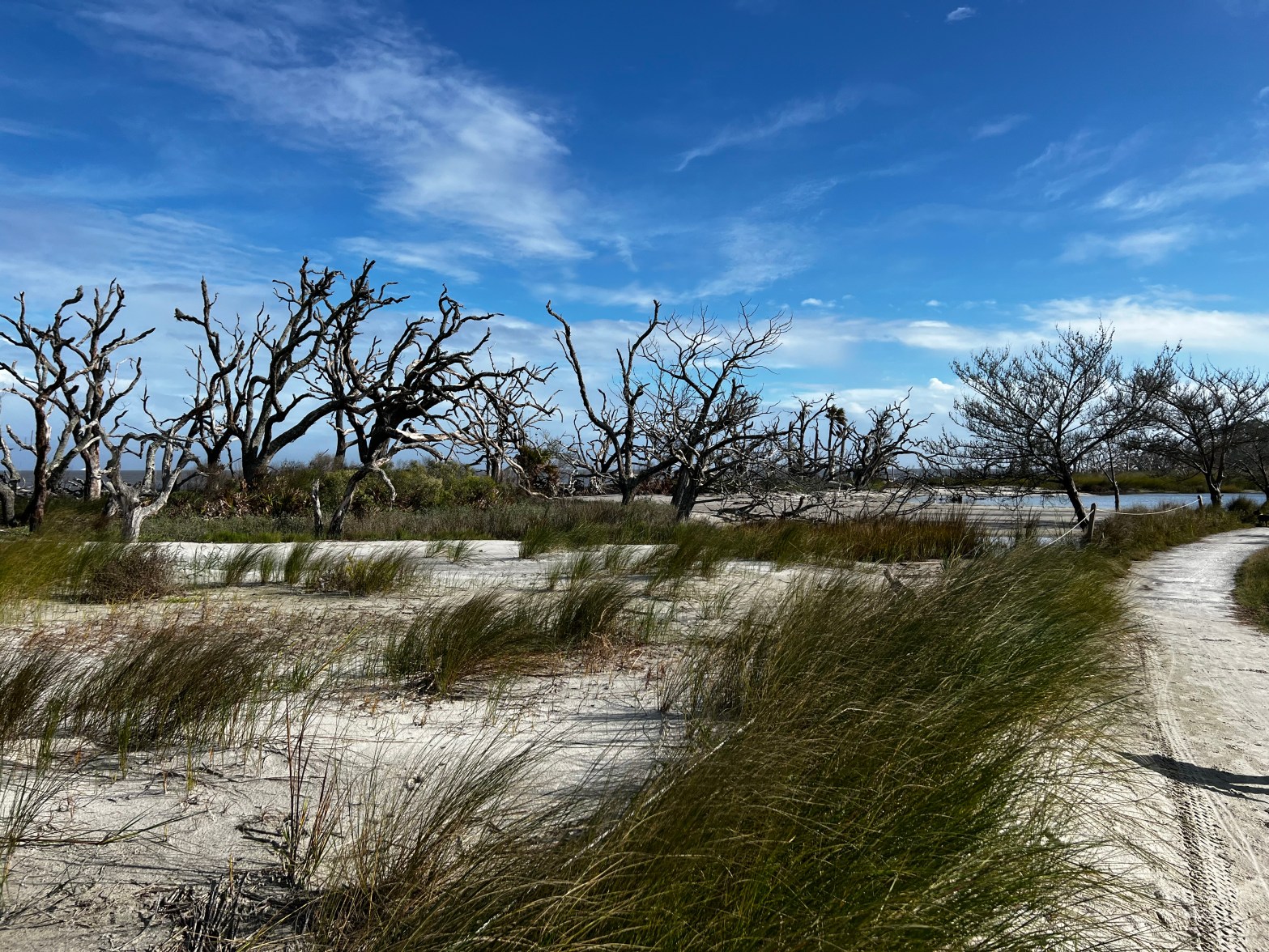
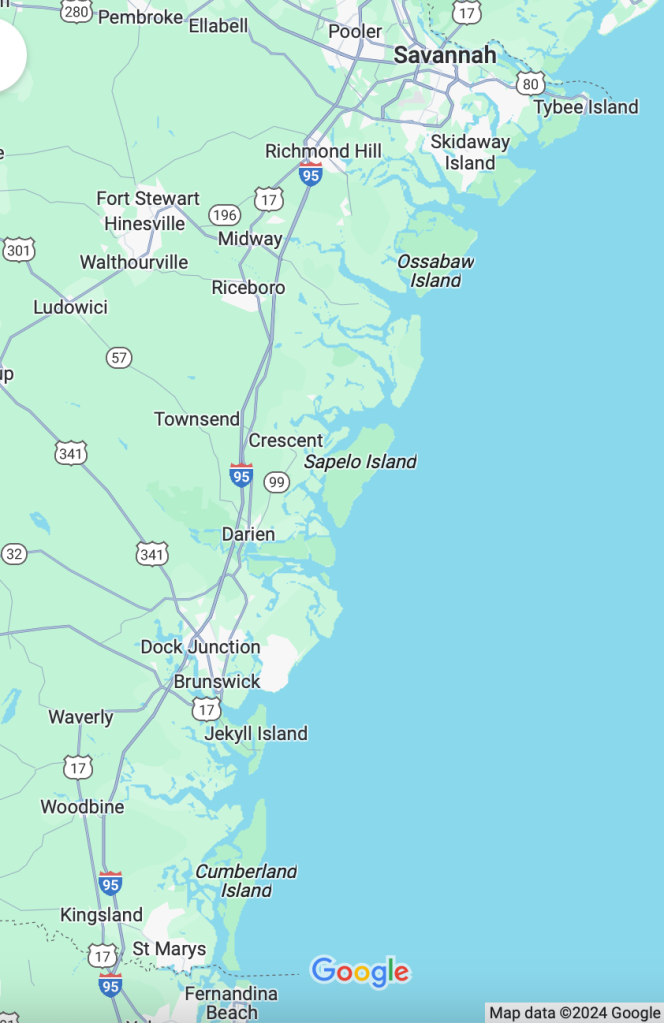
Georgia is said to be the toughest of the ICW, as it has so many small rivers that run through shallow marshy areas, connected by sounds open to the Atlantic. But it also has some of the most beautiful barrier islands, and old southern historic city’s such as Savannah. For us, it offered so much to explore!
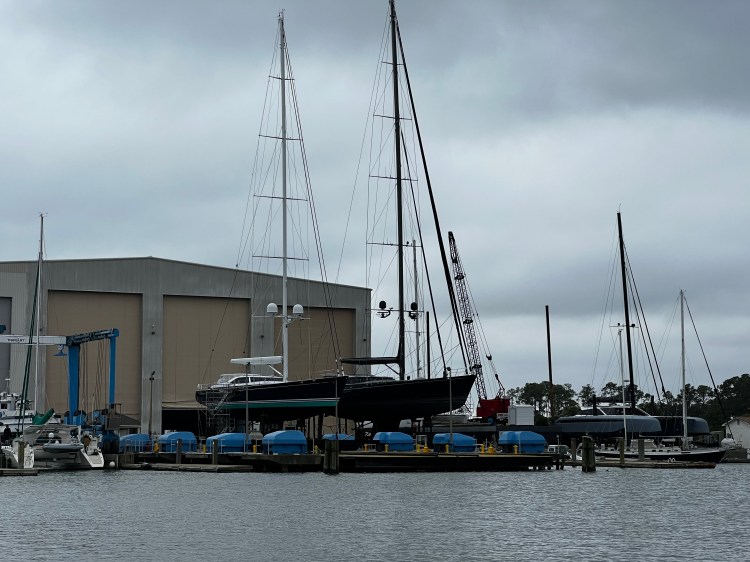
After 2 shorter days from Beaufort, South Carolina, we left that state behind us. It was rainy and cool and the idea of spending a couple of nights in a marina, which we hadn’t done in a while was starting to sound more and more appealing. In order to actually use the free docks in Savannah you have to motor a little ways off the ICW and into a strong current. Thunderbolt marina near Savannah, is more reasonably priced, conveniently located on the ICW, and offers a curtesy car and laundry facility on site. It felt very luxurious to be able to wash our bedding and towels and stand under running hot water in a real shower for more than a couple minutes.
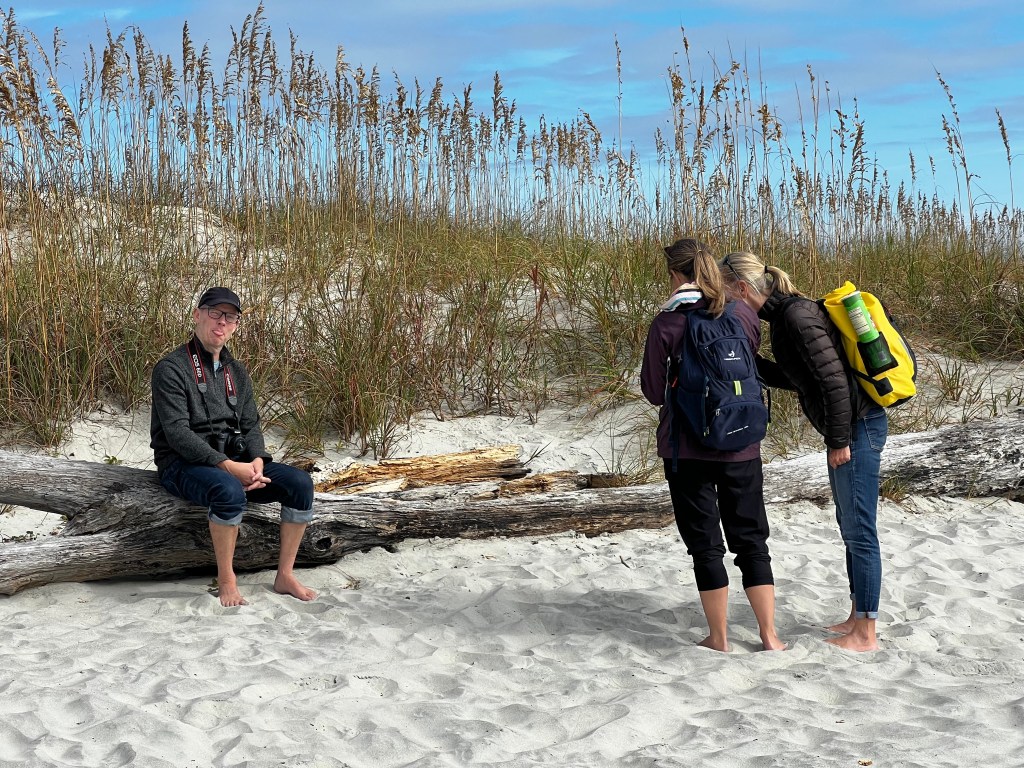
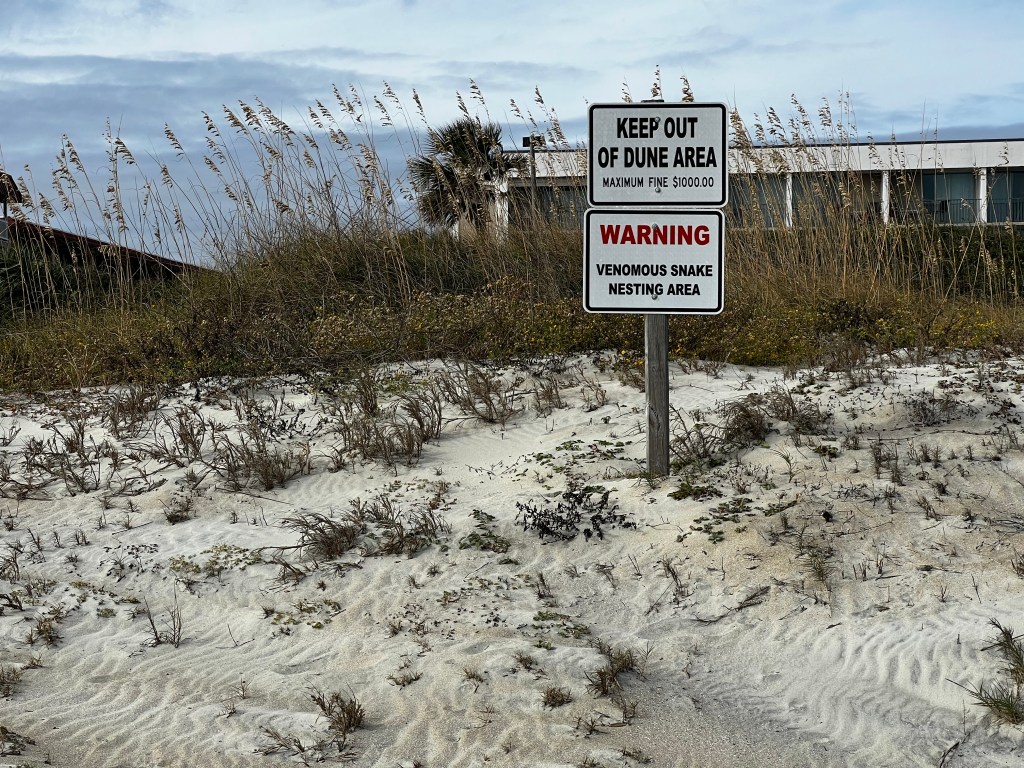
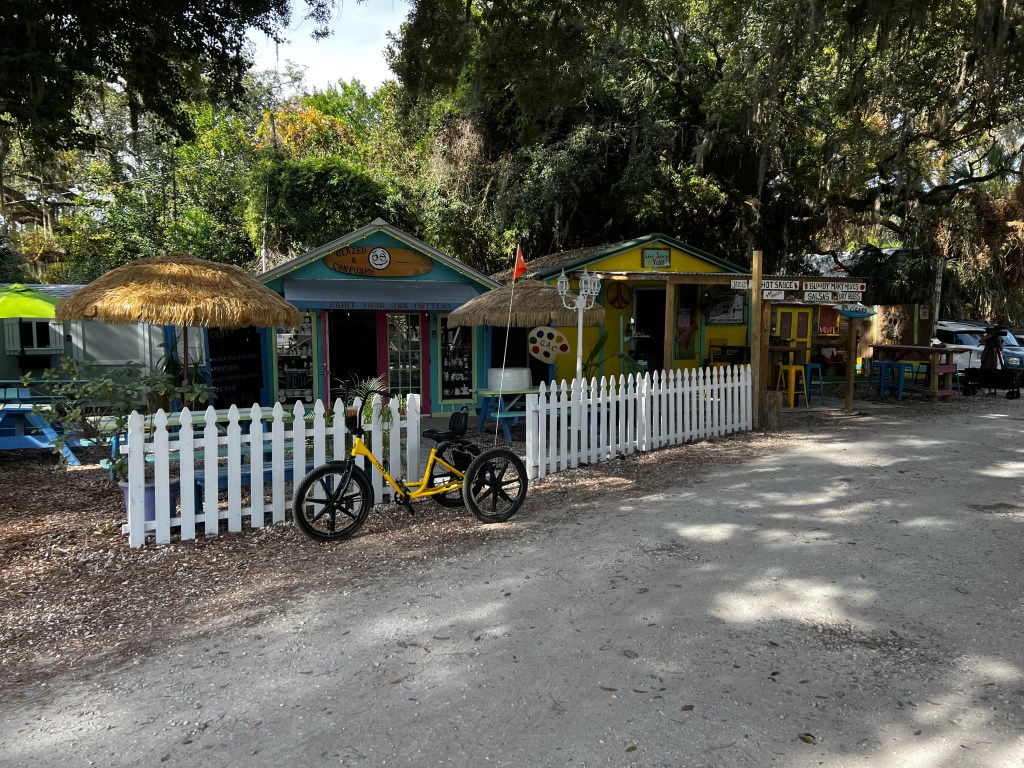
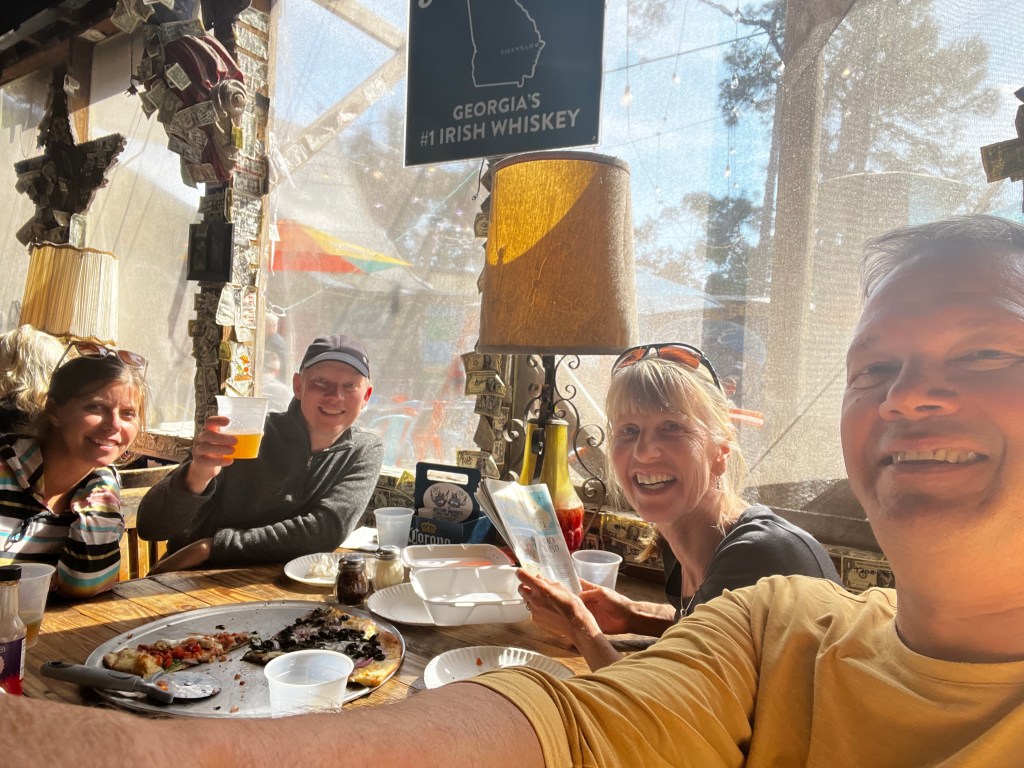
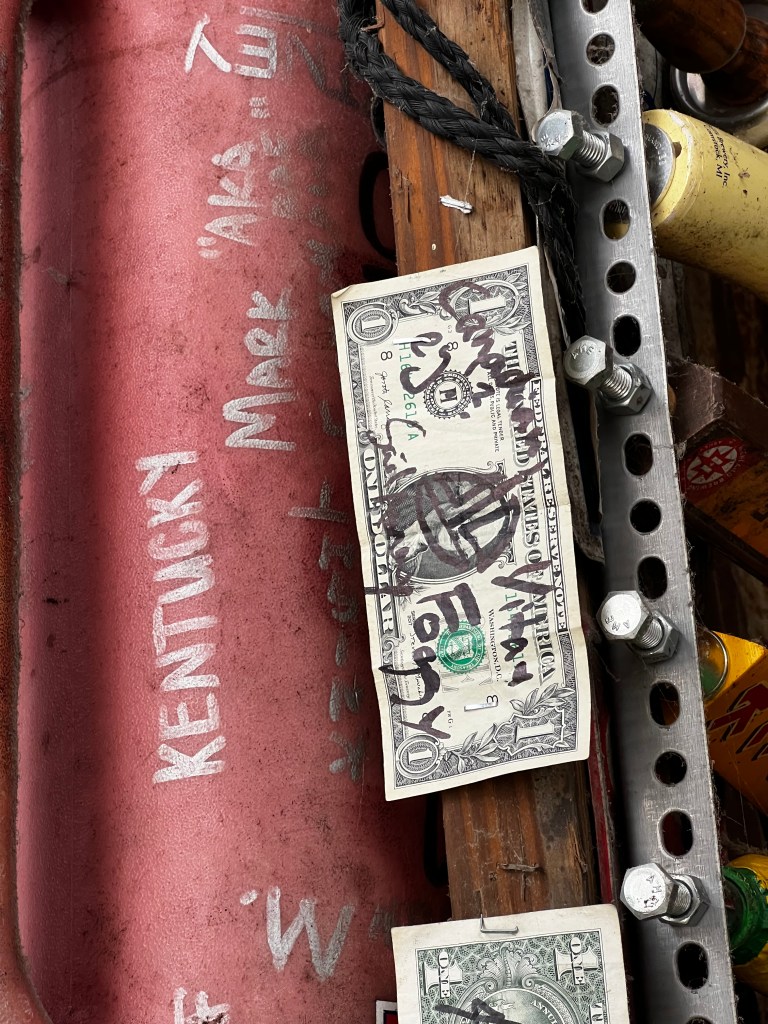
Shane and Lori had rented a car and invited us to explore our first Georgia barrier island – Tybee. It was a fun day spent walking the immense beaches, browsing some whimsical touristy beach shops and having a late lunch at a cool, no fuss pub called Huc-a-poos – which concluded with us signing our boat names onto a 1 Dollar bill and Dave standing on a bar stool to nail it to the ceiling.

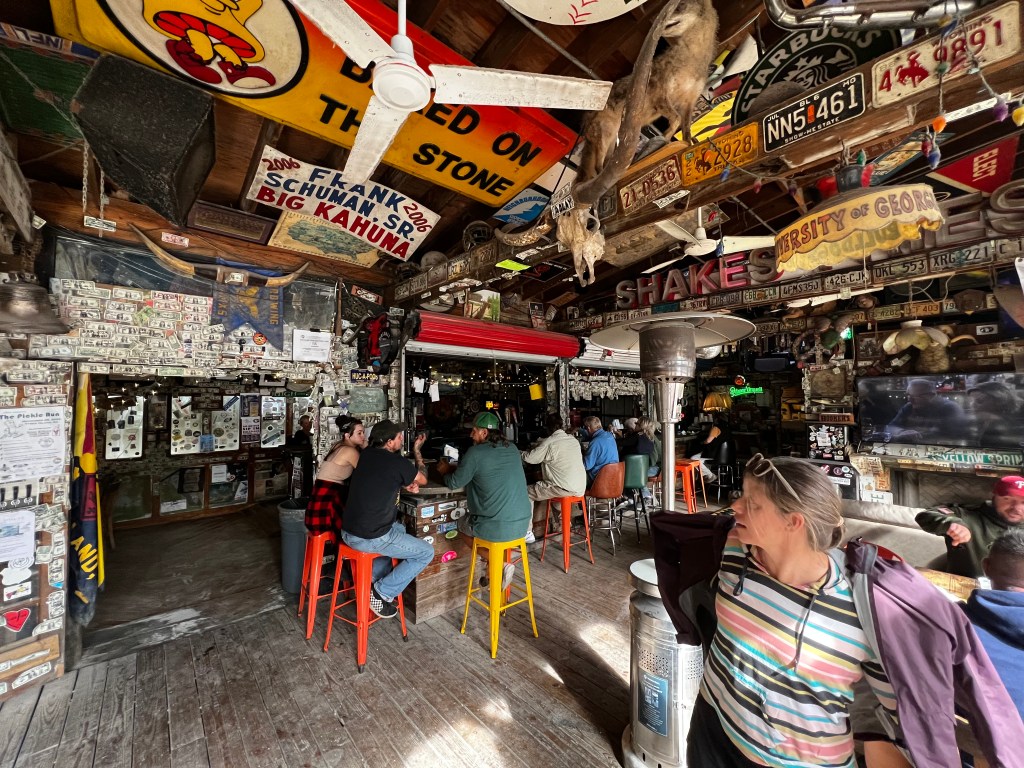
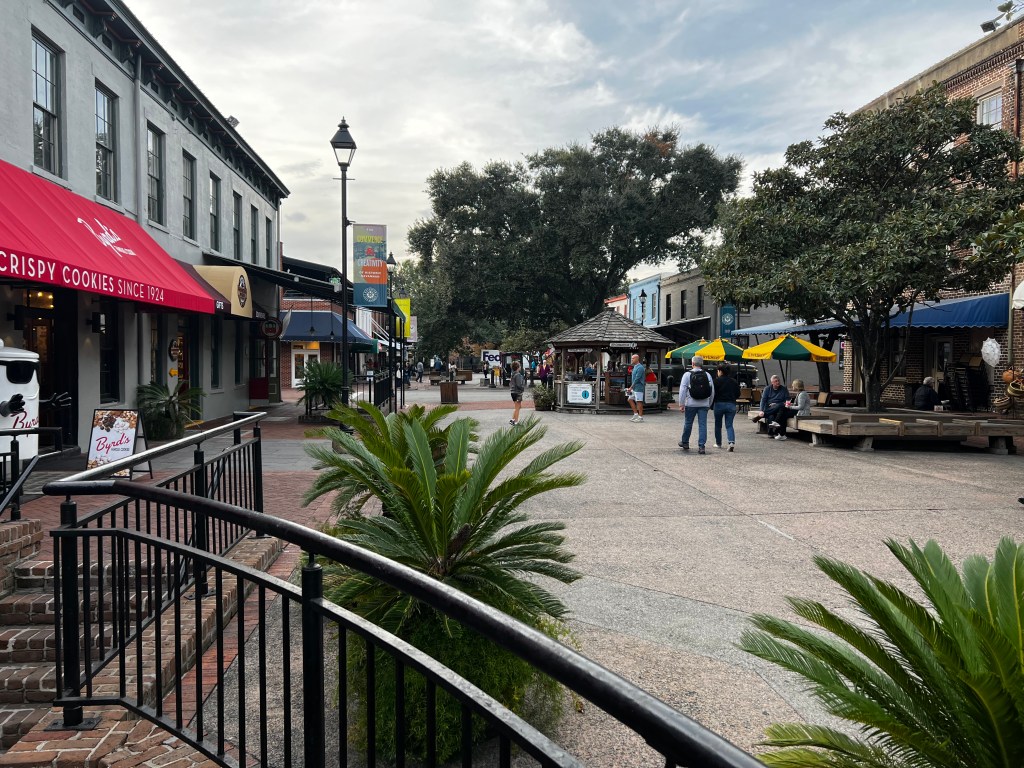
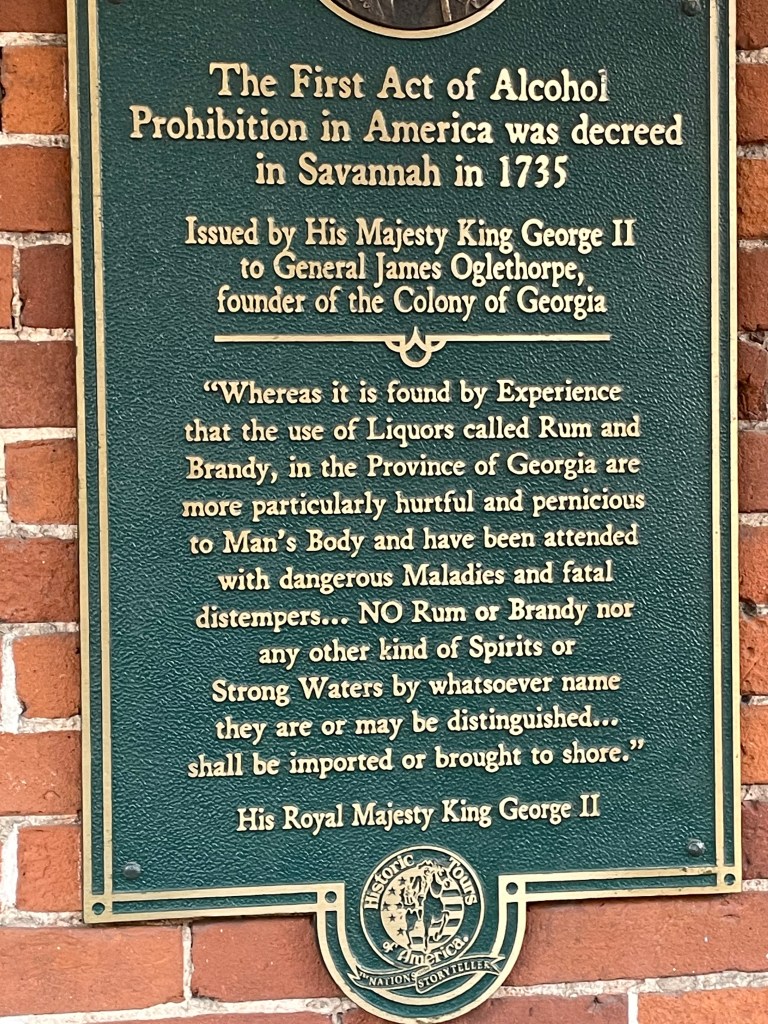
On the way back, Lori and I convinced Shane to take a side trip into Savannah, just to walk the cool cobbled streets along the historic river district. We checked out the free dock right there as well which had plenty of room. It’s a great spot if you want to have your boat right in the middle of all the action.
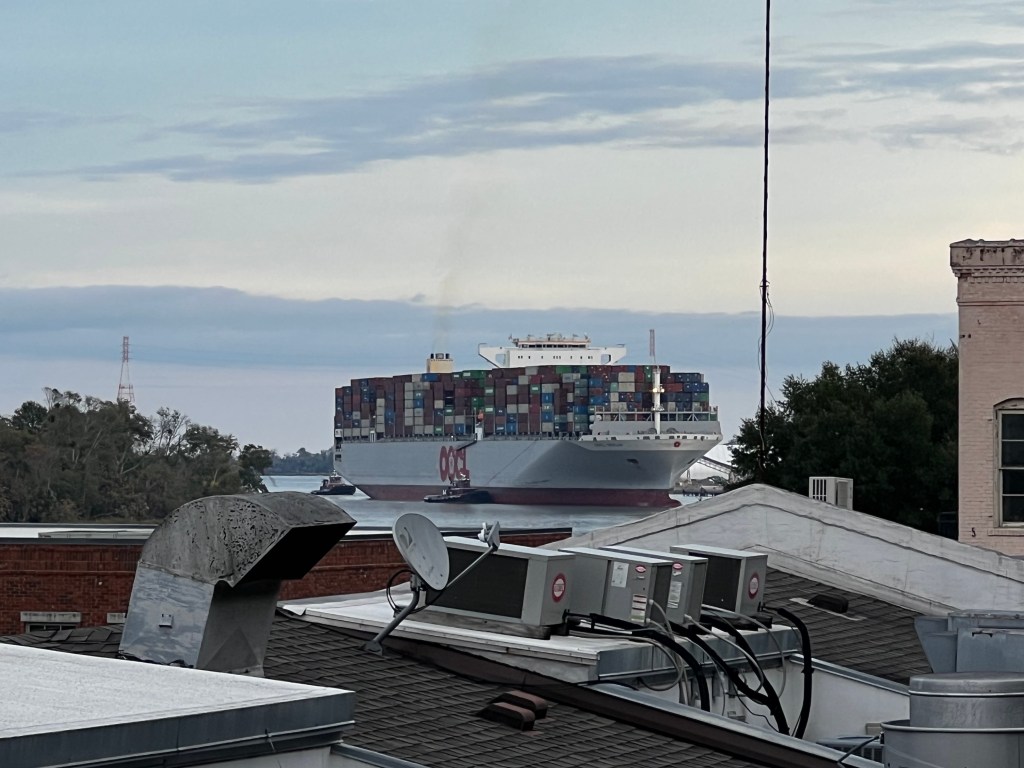
The next day we said Good Bye to Shane and Lori, as we wanted to slowly make our way through some of the trickier sections in the ICW. We filled up with water and did a pump out and off we went. Two days later, after numerous rivers, sounds, creeks, passages with opposing currents, favourable currents, winds, rain and some shallow areas to time right, we finally arrived at Jekyll Island. The lowest we saw under our keel was 7’6″ in Jekyll Creek and that was 3′ above low tide, which meant 4’6″ at low tide. If we hadn’t timed it right we would have been high and dry!

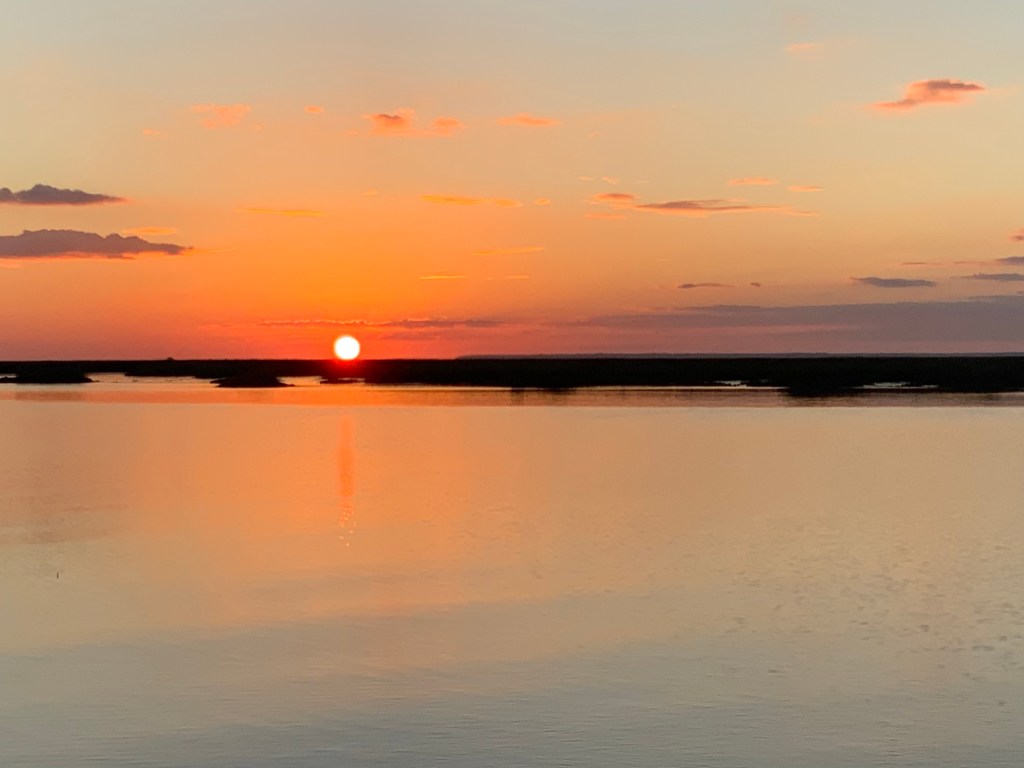
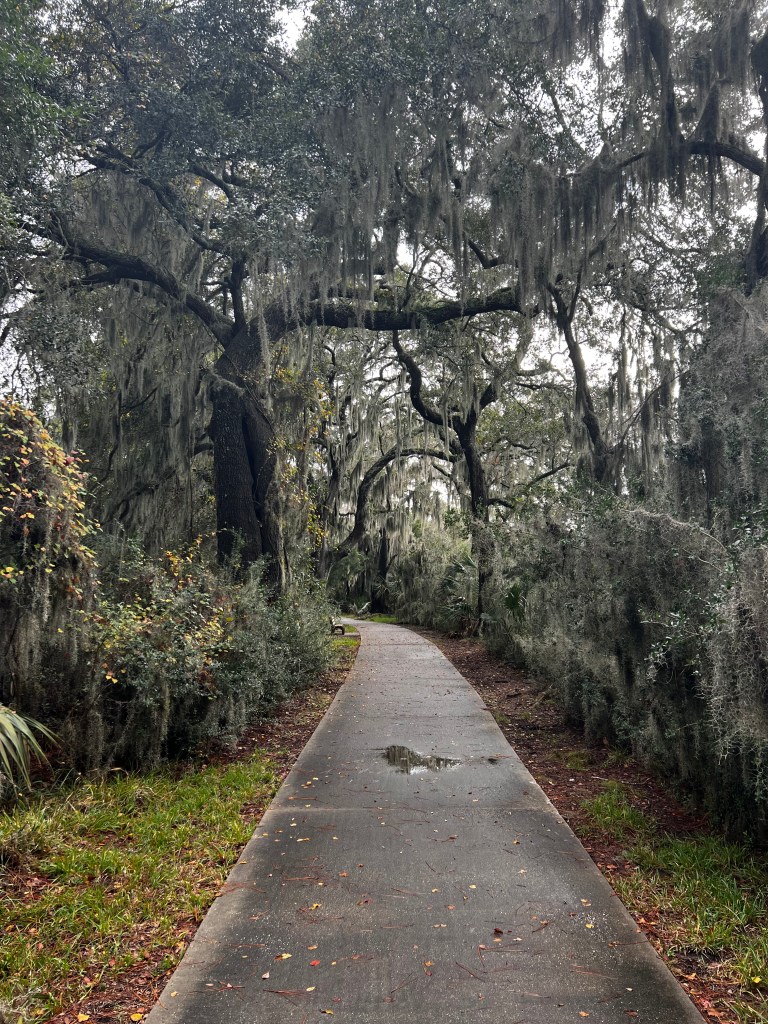
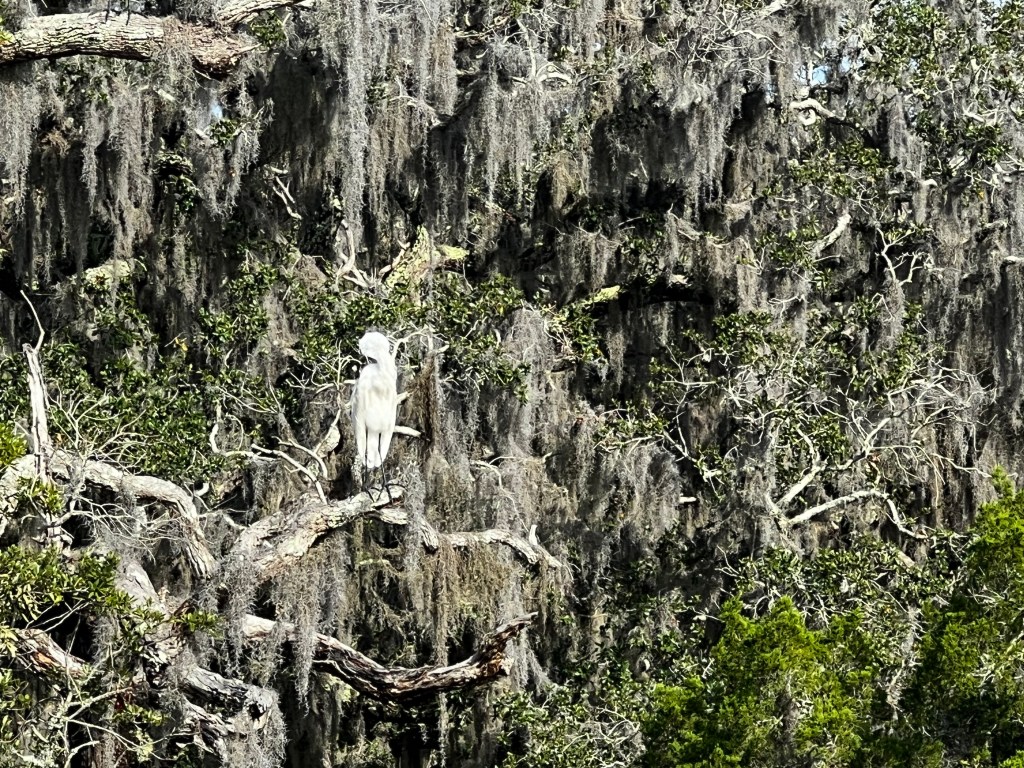
Jekyll Island, another barrier island, is a vacationers paradise of paved bike trails, sand dunes, miles and miles of wild beaches next to historical mansions, tons of history mixed in with resorts, hotels, a golf club and nature preserves. We took a couple days to explore and thoroughly enjoyed cycling the quiet island, which I am sure is much busier in the hight of summer than in November. We were here just before the American Thanksgiving and watched as they were busy decorating the parks and historic district with Christmas lights. So strange to see palm trees and oaks covered in Spanish moss with twinkly lights! Wish we could have stayed until Nov. 24 when they finally turn them on, it would have looked spectacular (350+ Light displays and 45,000+ lights on the big tree). It’s interesting that this island became an exclusive club for the rich and powerful in the 1800s. Families like the Rockefellers, Vanderbilts, Pulitzers, Bakers and Morgans spent their summers here in elaborate “cottages”. They are being lovingly restored and some can be rented for private functions.
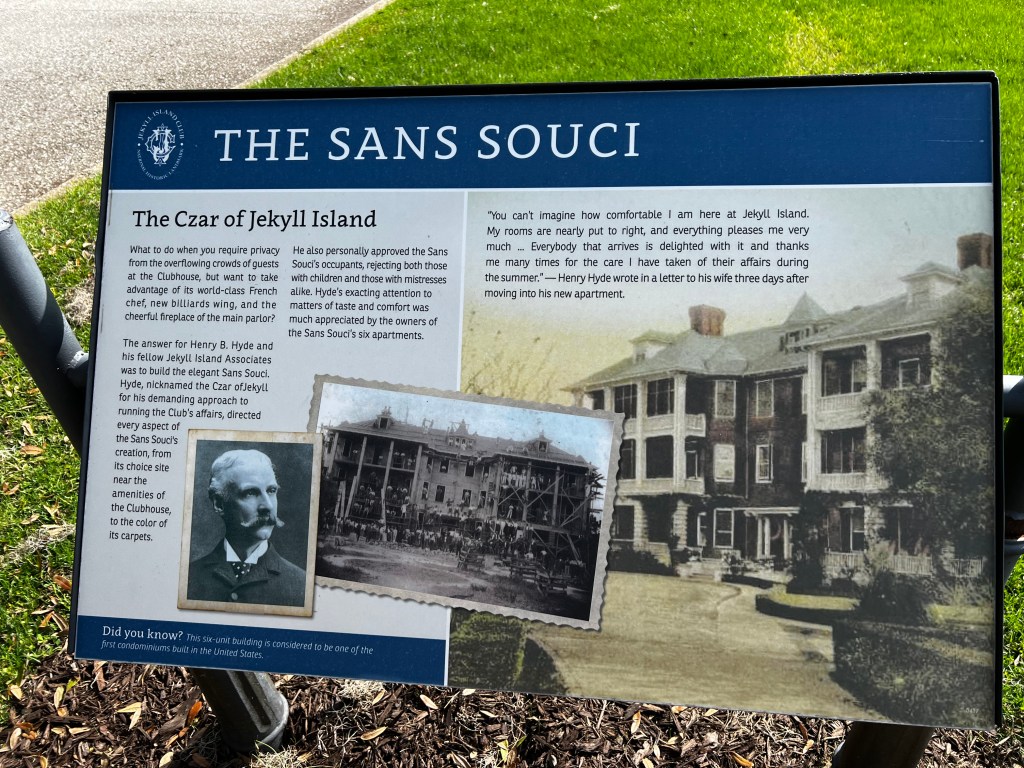


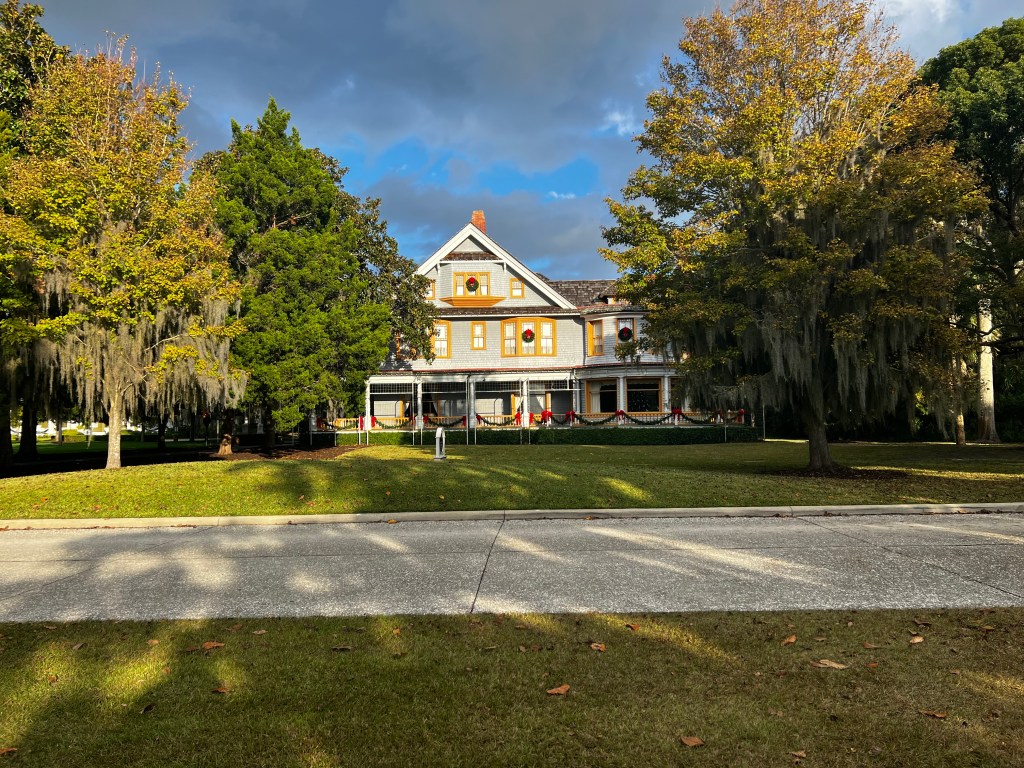
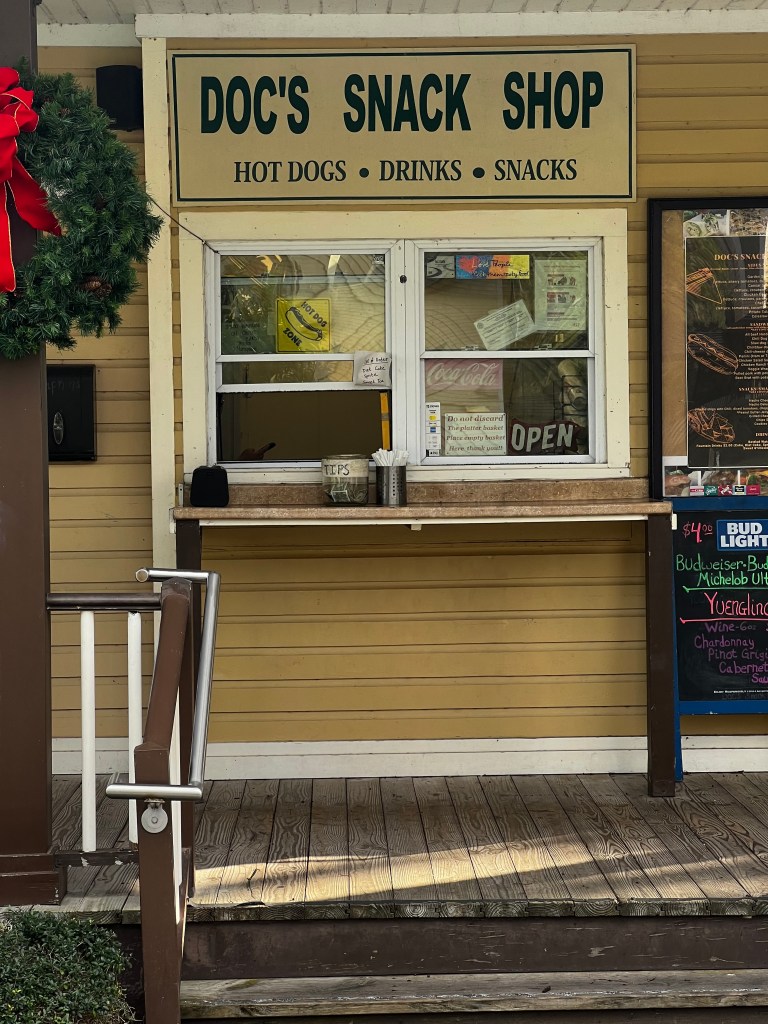
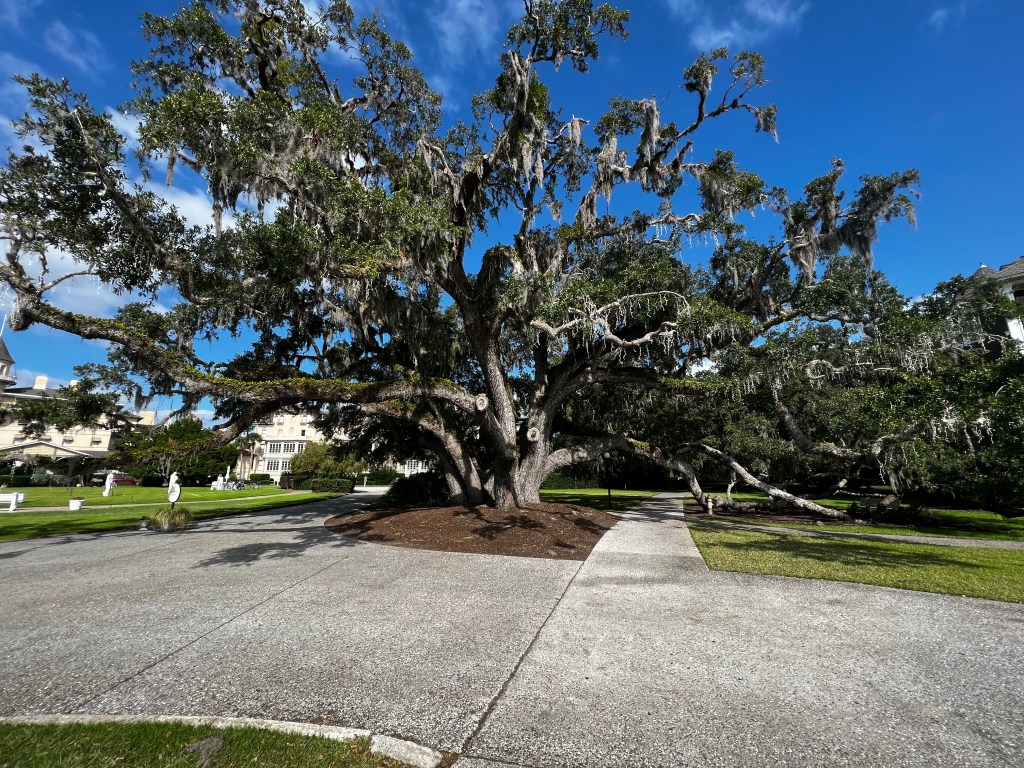
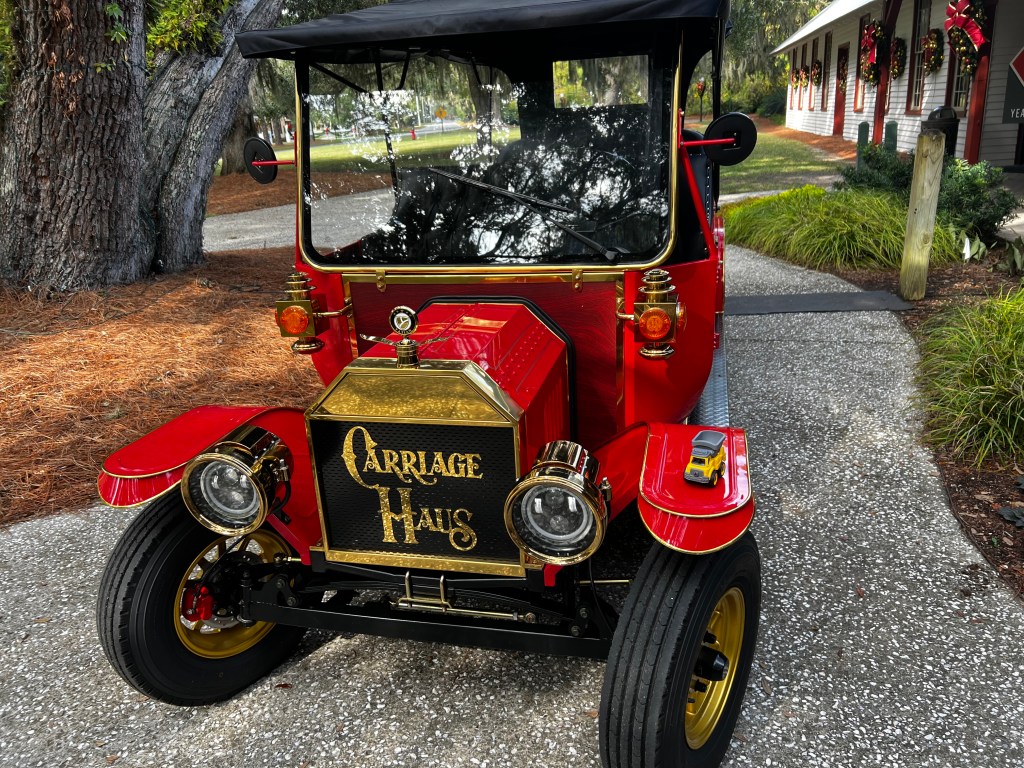
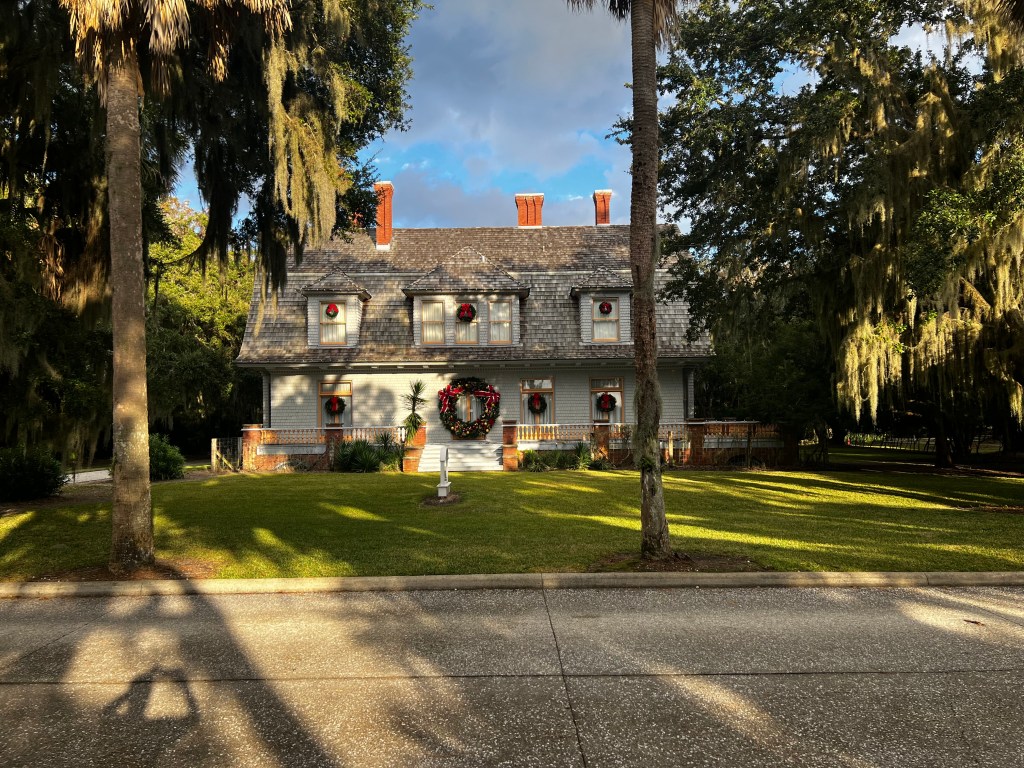

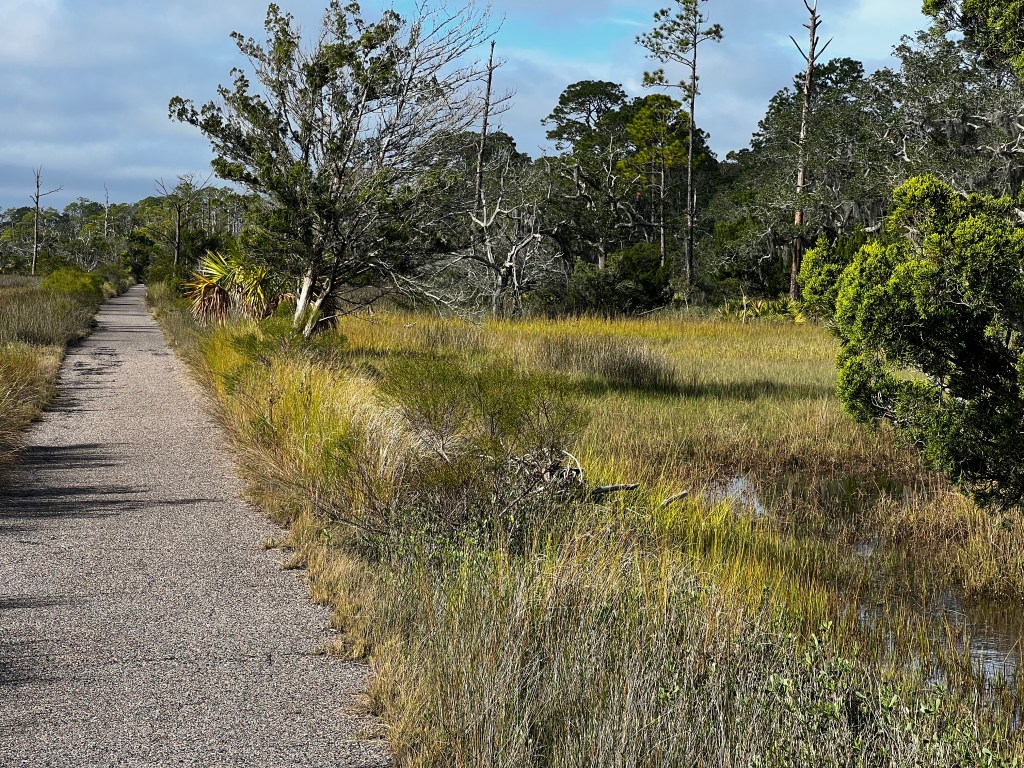
We did a bike ride around the entire island the first day (about 27km), on concrete, paved or well maintained sand trails. They even have a sweeper going along these trails to keep the falling leaves off. There are trails that go through marshes, beaches and forests, some on boardwalks.
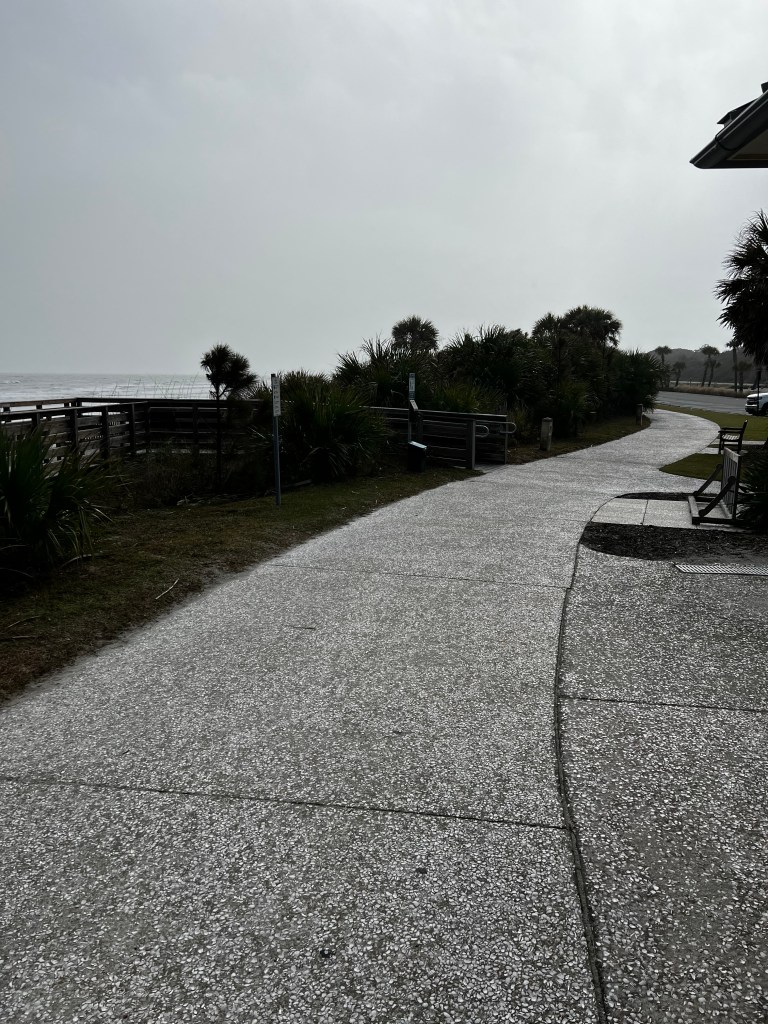
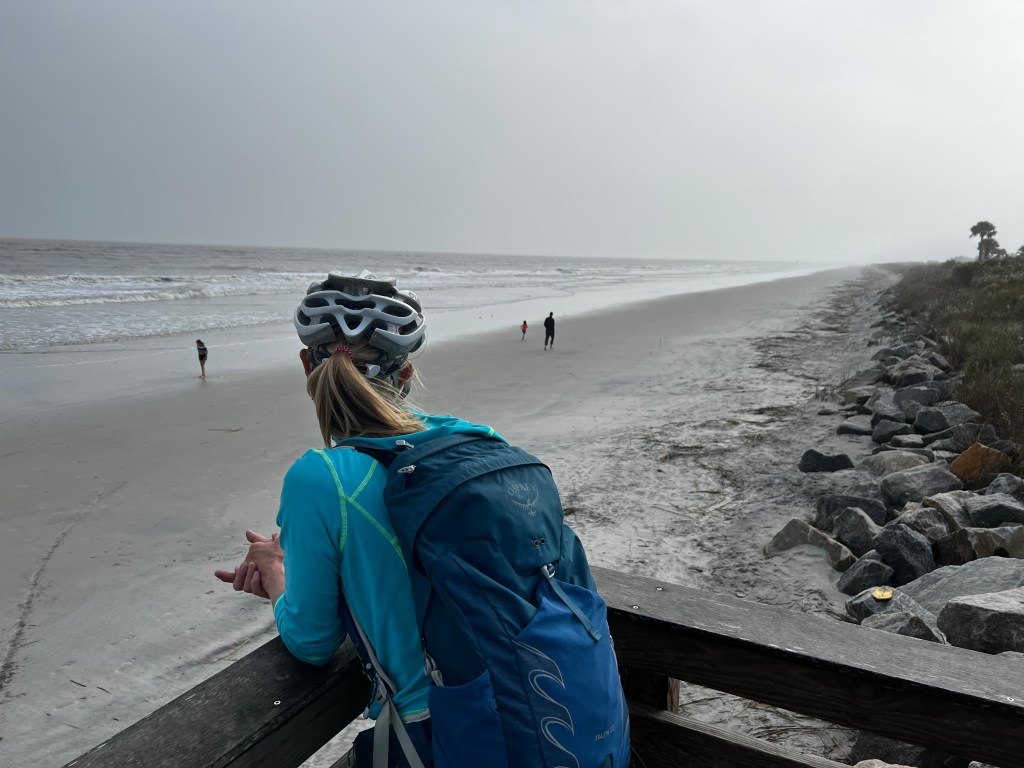
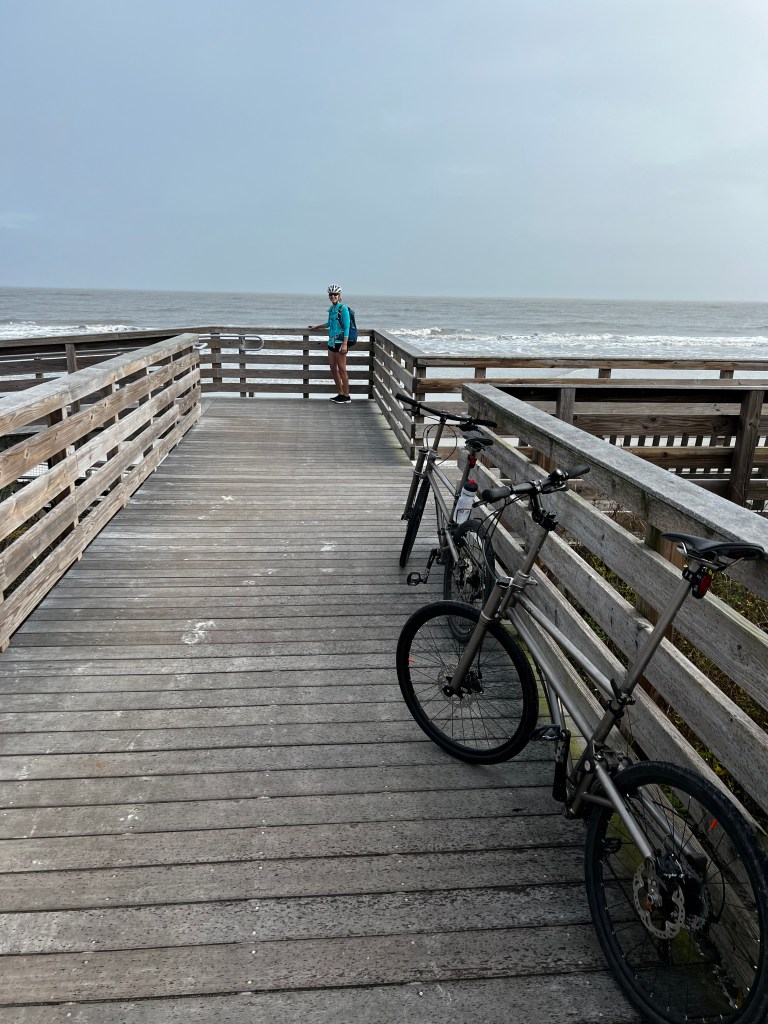
The second day we did some of the interior trails through the woods and were rewarded with seeing our first alligator. Definitely, a highlight – and not in a scary way. He or she was sunning itself in one of the slow moving rivers and looked rather sleepy. After a few hours of cycling around we got hungry and stopped at Tortuga Jacks on the beach. A live band, open air bar and view of the beach made the shrimp, steak and chicken Tacos we shared even more delicious.
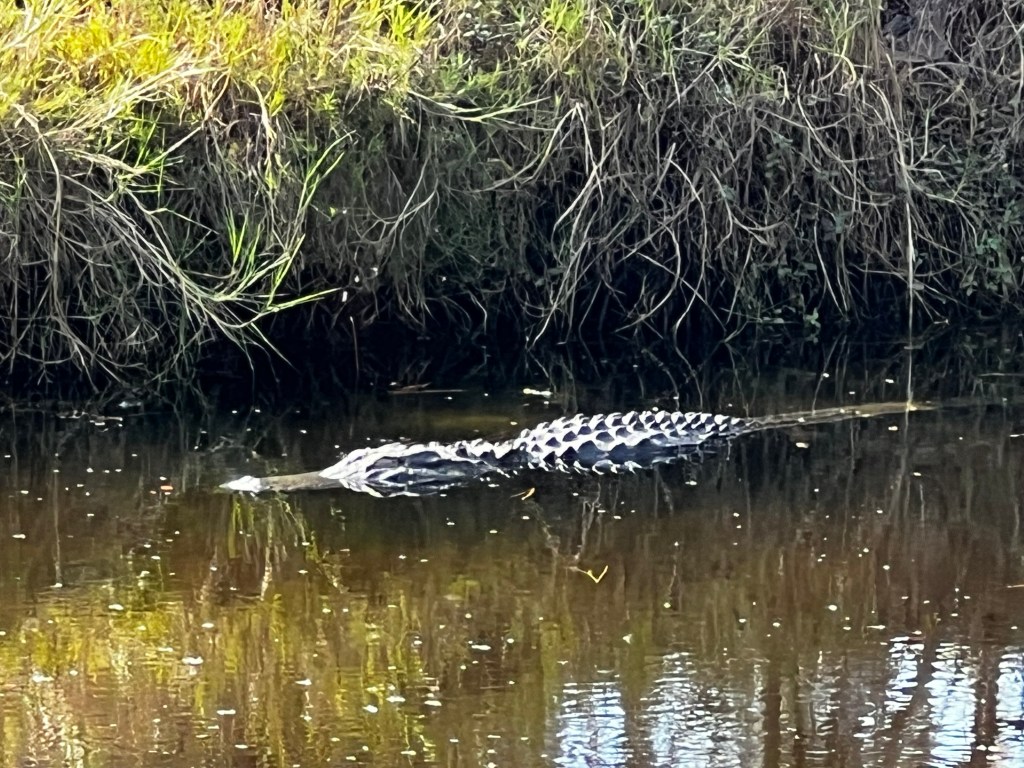

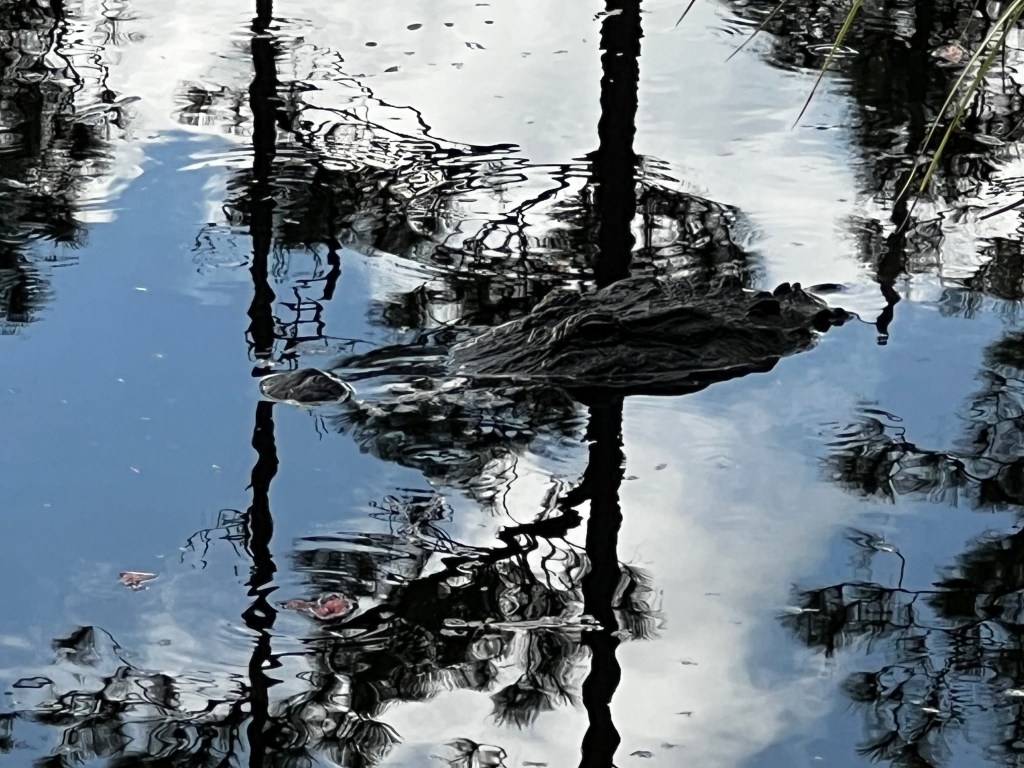
It was rather funny that we saw the alligator for the first time right by the warning sign – love the visuals! Then we started to think, maybe it’s a stuffed alligator, because we never saw it move. So we came back to the same spot hours later. Lo and behold, the alligator was still there but had actually moved further down the river…

We liked this Barrier Island so much that we decided to hop over to the next one the day after. It was just a few hours of motoring and we got to Cumberland Island – a much larger Island with a much different feel. Cumberland is the largest and most southern of the Georgia barrier islands. The border to Florida is just south of it. It’s a National Park with endless wild beaches, dunes, tons of wildlife, educational tours and displays, historic ruins and feral horses.
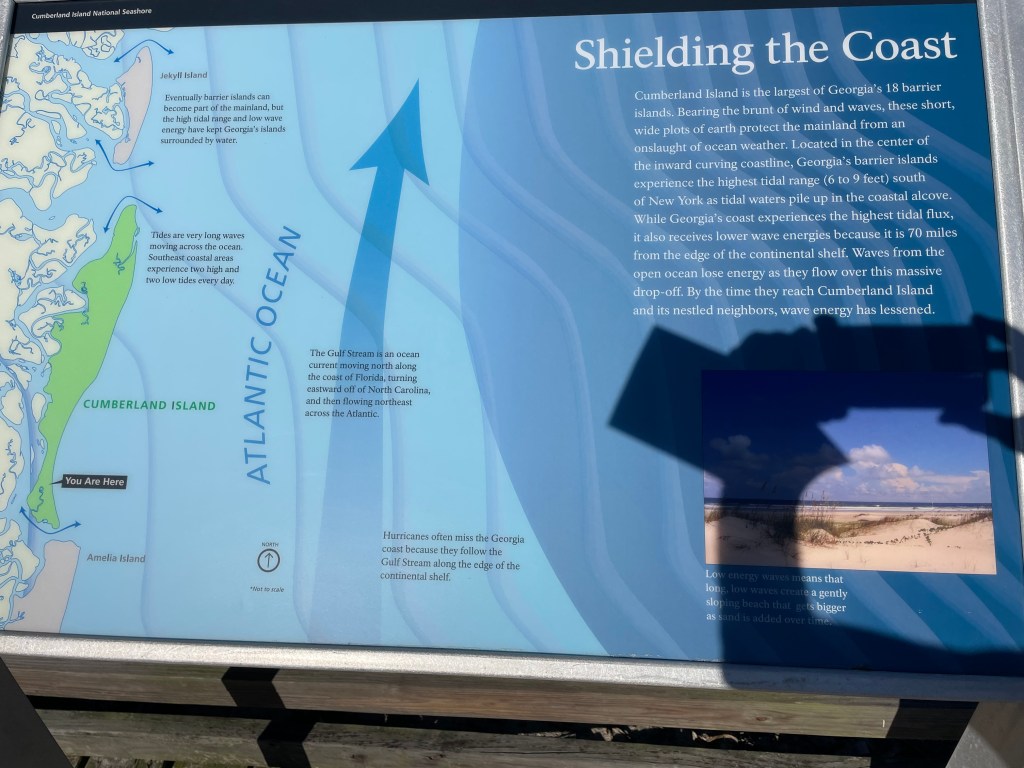
This plaque explains the importance of the barrier islands to the character of the Georgia coast line which sees some fairly intense tidal ranges of 6′ to 9′.
We anchored in the southern bay of the island right in front of the National Park Sea Camp dock (which is also the Ferry dock). For a weekly fee of $15 per adult (or $45 for a yearly pass that includes 4 adults), you have access to the park and dinghy dock. The staff were super helpful and gave us lots of info on what to explore and see. So we struck out to just walk across the island from the Ranger cabin to the Ocean side and beach, which took maybe 10 minutes. We watched as campers coming in by ferry, used camp carts to take their tents and supplies along the same trail and walk into the rustic camp ground.
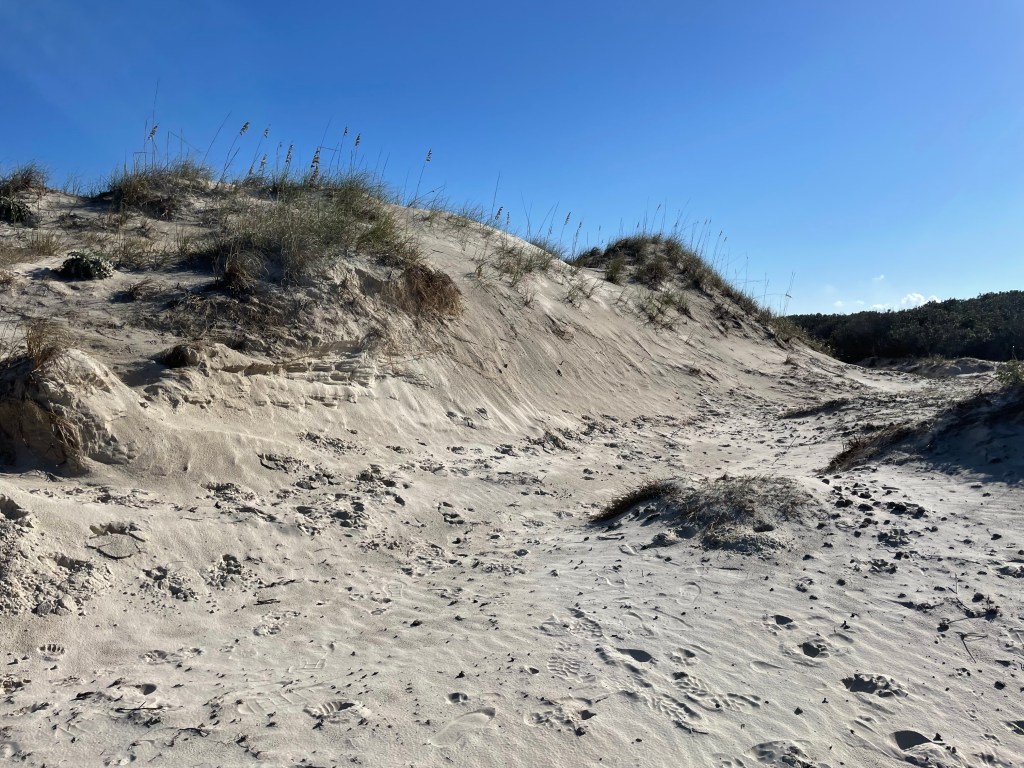
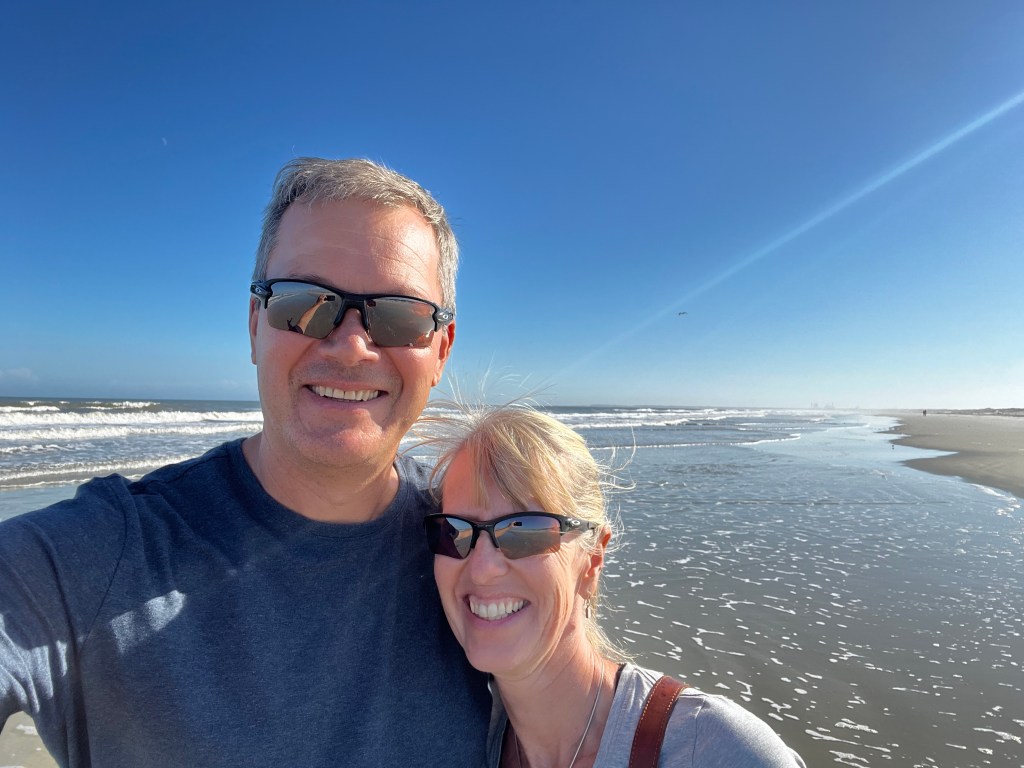
After a short walk through the dunes we were at the beach and decided to just keep walking along the waters edge refreshed by the waves lapping over our feet. We kept running into these odd exoskeletons, which we had never seen before.
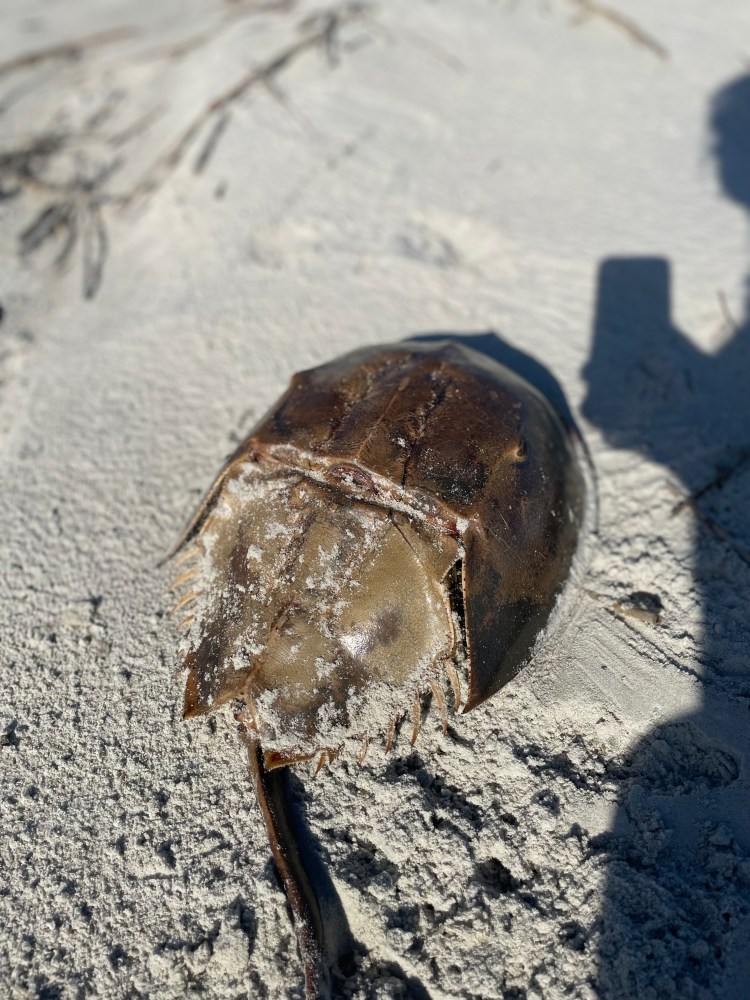
They were all over the beach and the size of a soccer ball or even larger. They truly looked like something prehistoric and kind of creepy. We did think they must be some kind of crab and after asking about them found out that they were indeed Horseshoe Crab carapaces. Horseshoe Crabs are more closely related to the trilobites of 544 million years ago and have been around since before the dinosaurs 300 million years ago. They live in the Atlantic as well as in the Indian and Pacific Oceans and shed their carapaces or molt many times as they grow into adulthood. Their life expectancy is about 10 years and they can be found as far north as Maine. Funny, we never encountered them before on our trip down the east coast.
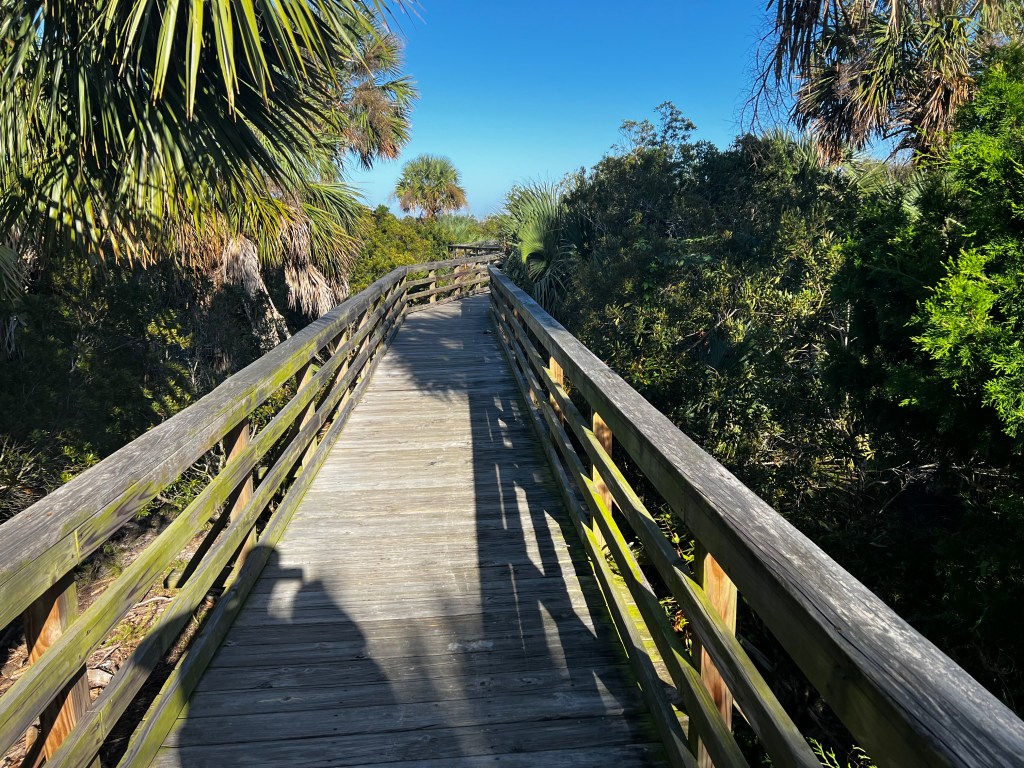
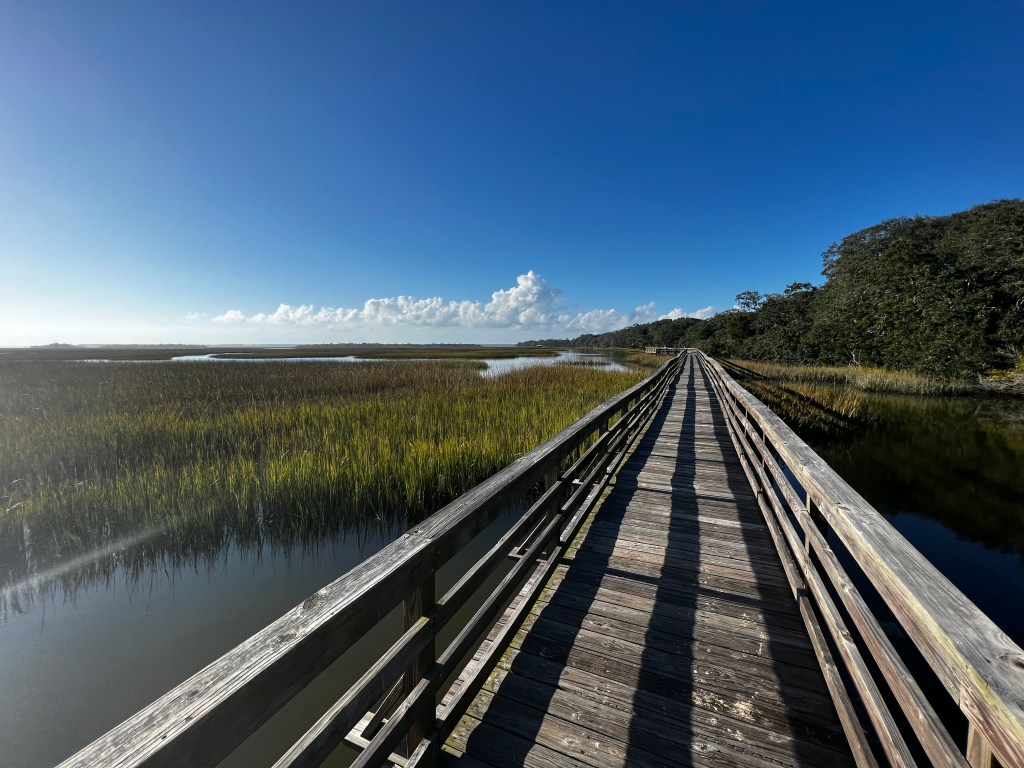
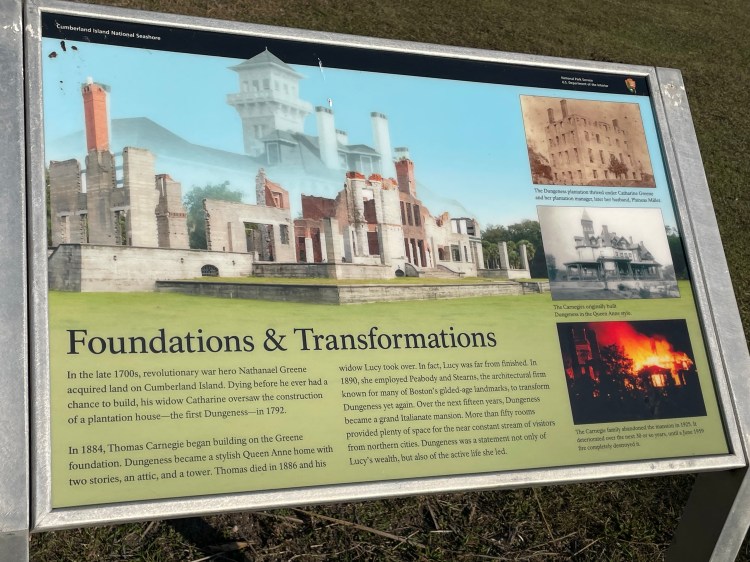
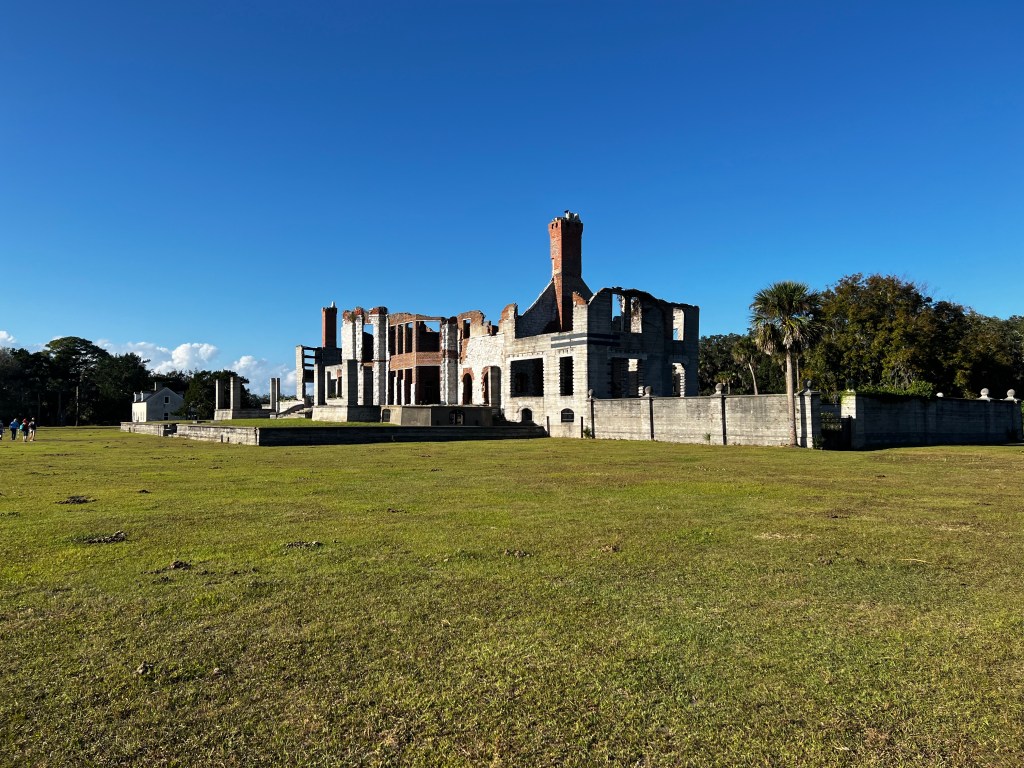
On our initial walk we ended up doing the 6.8km loop along the beach through the dunes and marsh boardwalk, which are breathtaking, to the Dungeness Ruins and back to the Sea Camp. There was so much to see that we didn’t even notice we had brought no water or snacks. (Water is available at the campground and the ruins). These were the ruins of the impressive Dungeness Mansion Thomas Carnegie built in 1884 as a Winter home for his wife Lucy and their 9 children. He passed away shortly after it was built but his wife made the residence self-sufficient and raised the children here, at times employing as many as 300 staff. There were green houses, vegetable gardens to feed everyone, a recreation complex with pool and Tennis courts and much more.
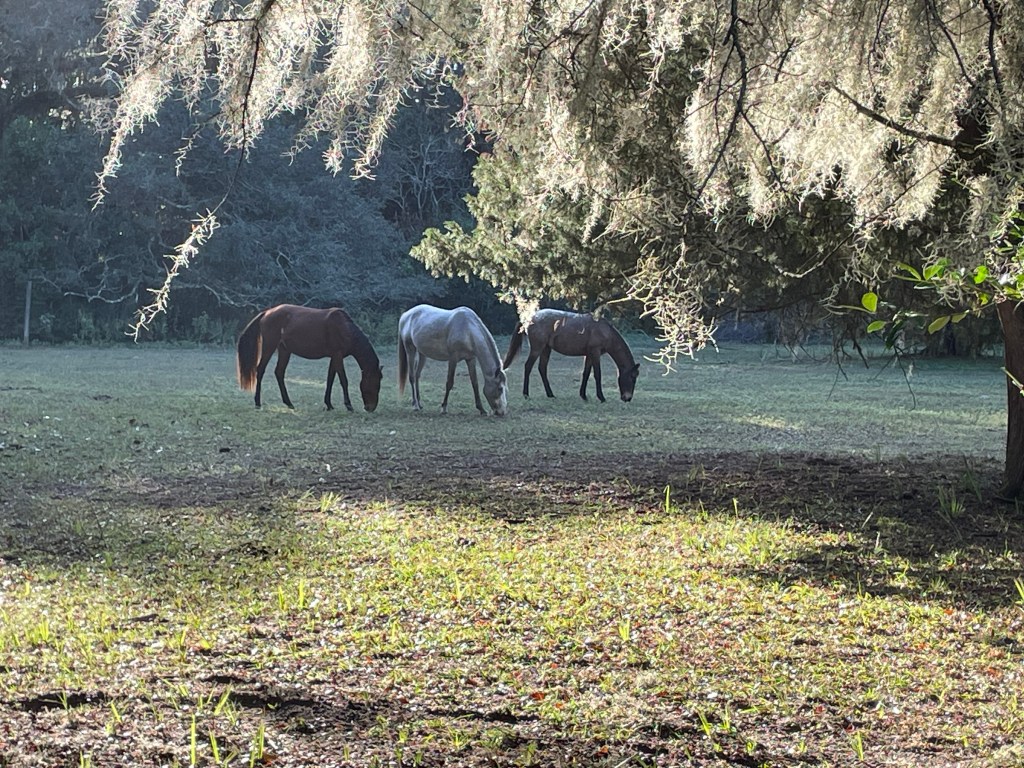
And then there are the feral horses, of course, which just add to the whole experience. Feral meaning that they descended from domesticated animals, which were brought to the island for carriages, work or recreation. Today there are about 150 of these animals roaming the island freely. They are totally left on their own without any human intervention and left wild. We did see many, usually in groups of 3, looking fairly healthy and roaming the island without much fear of people. We were able to call out to them and pass them slowly even on bicycles the next day.
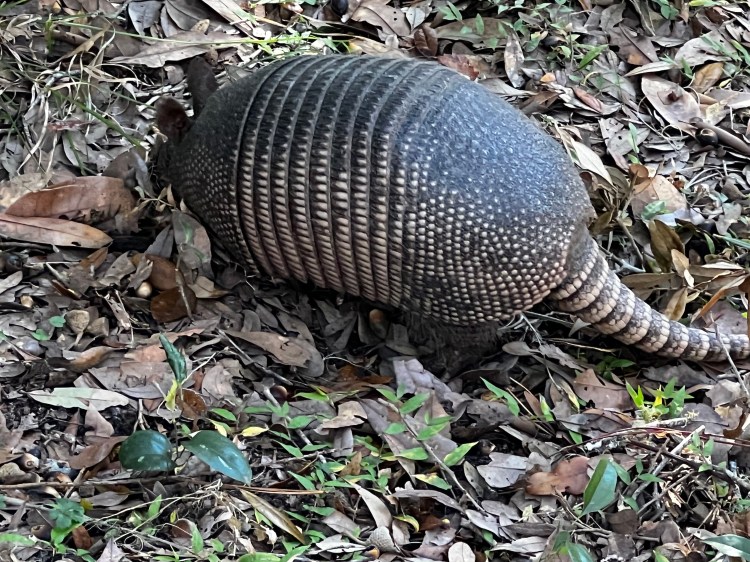
Another cute fellow we met, was the armadillo. We saw them all over the trails and road as we cycled to Plum Orchard the day after. They forage with their long noses on the forrest floor and seem pretty much unperturbed by humans, except the last one we saw. I think, he didn’t hear us coming and was startled. What does a startled armadillo normally do when threatened? Curl up in a ball! Nope, apparently the Nine-Banded Armadillo, that you find on Cumberland, can’t do that – instead it jumps three feet in the air! Now we were startled!
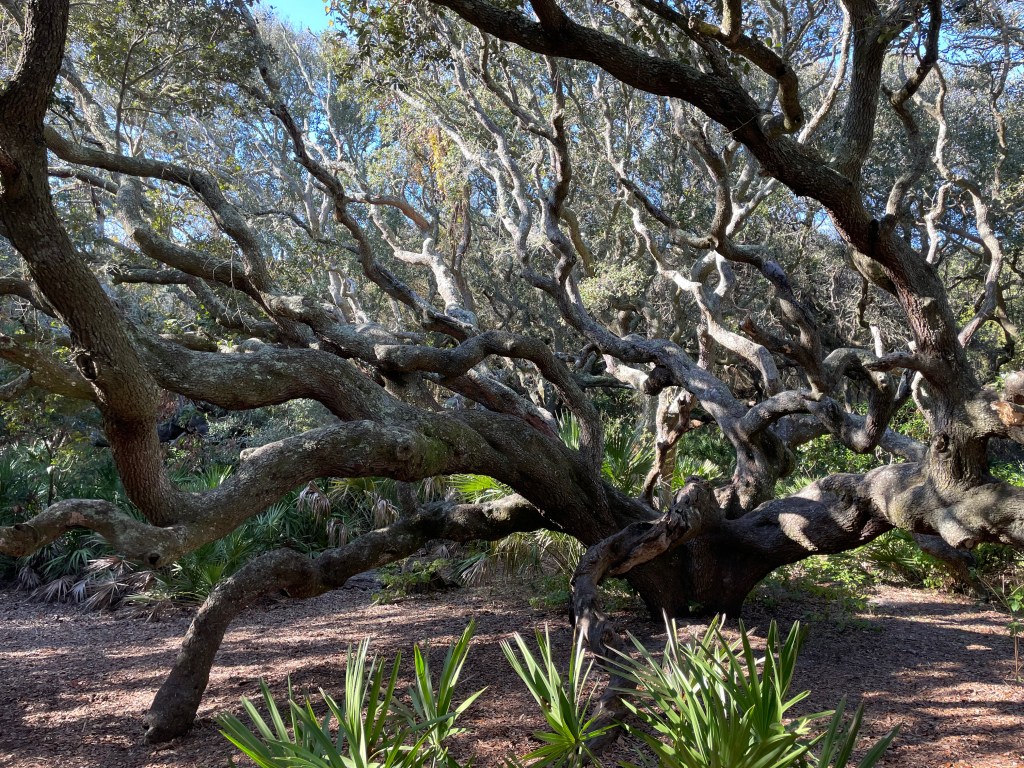
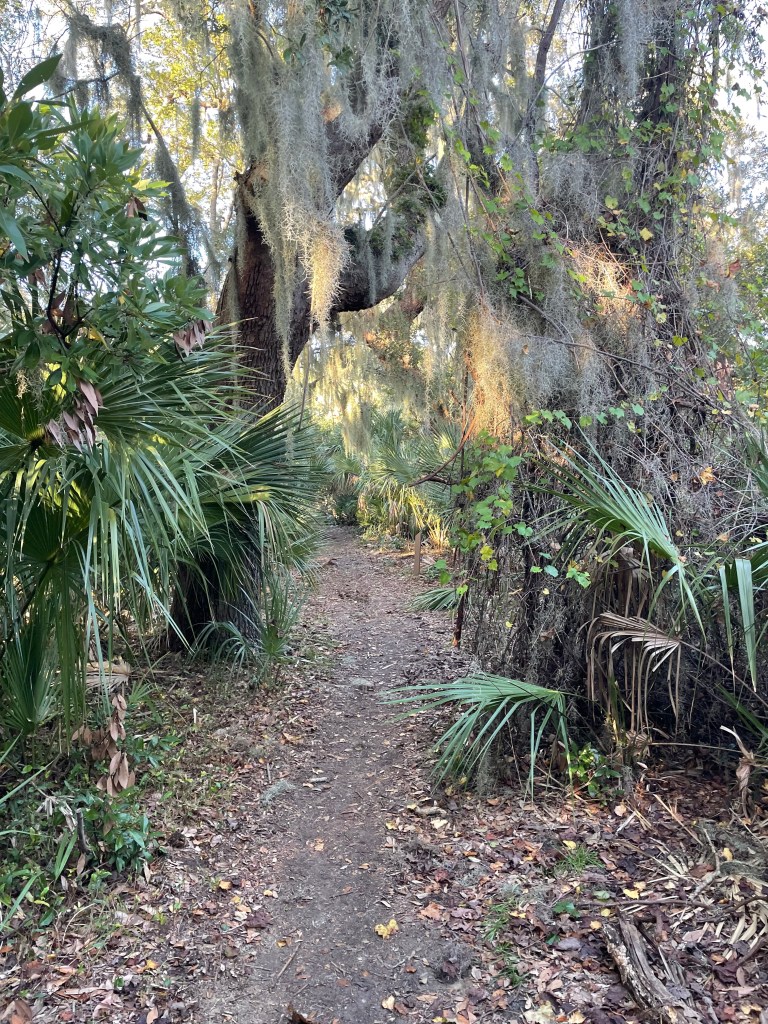
The ride to Plum Orchard took a bit more energy than riding on a normal road as it was packed sand that sometimes wasn’t so packed, so the 22km trip (there and back) took a little longer. It was mostly in the shade under a canopy of beautiful majestic live oak trees hung with spanish moss, and an undergrowth of saw palmettos, holly and other plants. Plum Orchard is one of the Mansions still intact and can be toured. Unfortunately, our timing was a bit off and we had just missed the tour. The building is quite impressive and well maintained. Peaking through the windows it looked equally nice inside with period furniture and elaborate decorations. Another spot to come back to one day!
This was our last night in Georgia, a state where we had anxiously worried about the ICW. We had been warned about the marshy, muddy shallows, but also been told not to miss the barrier islands (thanks, Kim & Dave, for encouraging us to explore those!) – we were so glad we did. We really like Georgia, there’s just something about the topography, its people and general vibe.
| Date | Description | Distance | Travel time |
| Nov. 12/23 | Bull Creek anchorage (Cooper River) to Savannah/Georgia (Thunderbolt Marina, US$2.25 per foot + US$7.50 for 30amp); 2 bridges both 65′ | 14.87NM | 3:36h |
| Nov. 13/23 | stayed at Thunderbolt marina | | |
| Nov. 14/23 | Savannah (Thunderbolt) to Vernon River anchorage; 1 bridge 65′ | 11.17NM | 2:33h |
| Nov. 15/23 | Vernon River anchorage to Cresent River 1 anchorage | 37.74NM | 8:02h |
| Nov. 16/23 | Cresent River anchorage to Jekyll Island anchorage (sw of bridge); 2 bridges 65′ | 34.44NM | 7:13h |
| Nov. 17+18/23 | stayed at Jekyll Island | ||
| Nov. 19/23 | Jekyll Island to Cumberland Island (Sea Camp Dock anchorage) | 22.87NM | 4:53h |
| Nov. 20/23 | stayed at Cumberland Island | ||
| 8 days | Total | 121.09NM | 26:17h |
| 164 | Total trip so far | 3136.44NM | 621:22h |
 Sailing Vitae